Disaster modeling & emergency planning
Planning tools for the people who have to prepare for the worst.
- Fire spread and smoke movement
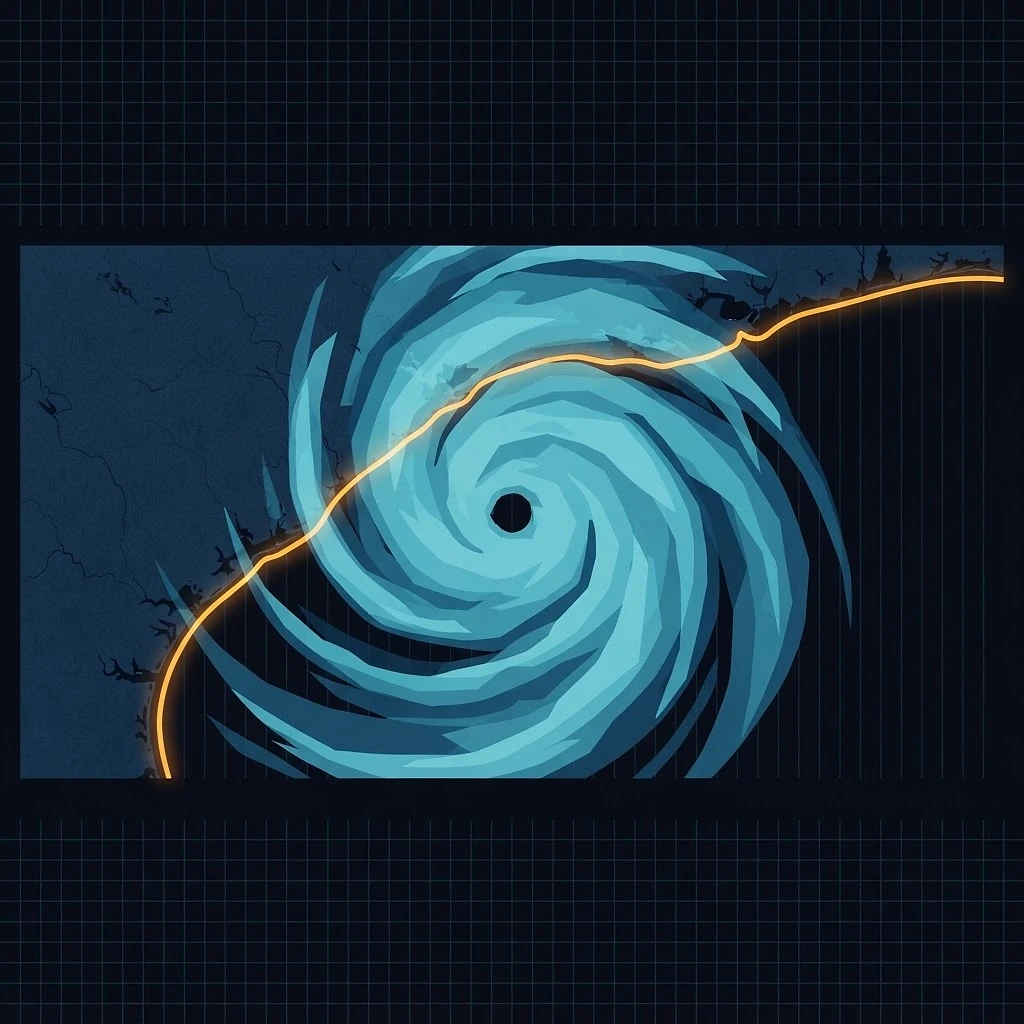
- Flooding, hurricane impact, tornado corridors and storm surge
- Chemical spills, toxic exposure, gas leaks and explosions
- Power outages and communications failures
- Evacuation routes, blocked roads, congestion and shelter access
- Missing-person search areas and water-rescue planning
- Potential casualty ranges, triage demand and medical resource needs
- Vulnerable populations, affected facilities, equipment locations and staging
- Time-based scenarios, simultaneous emergencies and unavailable units
- What-if comparison of response strategies, mitigation options and evacuation plans
Recorded official hazards and incidents can be used to build planning scenarios: what an event could reach, what it could affect, and how different responses compare. Scenarios are built for planning and situational analysis, with the assumptions, method and missing inputs written down where the result is read.
Modeled output is always labeled a hypothetical planning scenario and kept separate from confirmed incident information. The authority's own product — a National Weather Service warning, watch, advisory or statement — stays official, and is shown exactly as the issuing authority published it.

The detail behind it
5 sectionsOpen any one to read it.The layer does not invent weather. It reads products published by the National Weather Service as they are issued, keeps the boundary and the motion exactly as published, and models against what the authority actually said.
- The product's own published polygon or zone
- Its motion — bearing and speed — as reported
- Severity, certainty, urgency, effective and expiry times
- The counties, zones and named areas the product lists
- Updates, cancellations, corrections and supersessions as separate events rather than overwrites
Everything here describes the platform as built, subject to the configuration decisions of the community or agency using it.
Free for the people who need it, anywhere it runs.
It is not tied to one town or one county: a department, agency or community anywhere in the country or the world can run it. Residents are never charged. Departments pay for the parts they use, and donations let us put more resources into a community that could not otherwise afford them.
- · Defibrillators, naloxone and bleeding-control kits
- · Guides, voice instructions and training material
- · Mapping the equipment a community already has
Questions, corrections, or a resource we have missed — reach the team directly.